Waterproofing: No surface is completely impervious to water penetration. This problem is particularly significant in rooms with high humidity, such as bathrooms. Sealing with grout does not guarantee complete watertightness, and there is always a risk of water seeping through. If water gets beneath the tiles, it will lead to serious problems – a flooded ceiling in the neighbour’s flat or the appearance of mould and mildew in the room. Waterproofing of foundations Not only does the building’s façade require waterproofing, but so do its foundations. It is the foundations that protect the walls themselves from damp. If the foundations are not properly waterproofed, water or damp will be able to penetrate the walls. This will consequently lead to damp walls and the growth of mould.
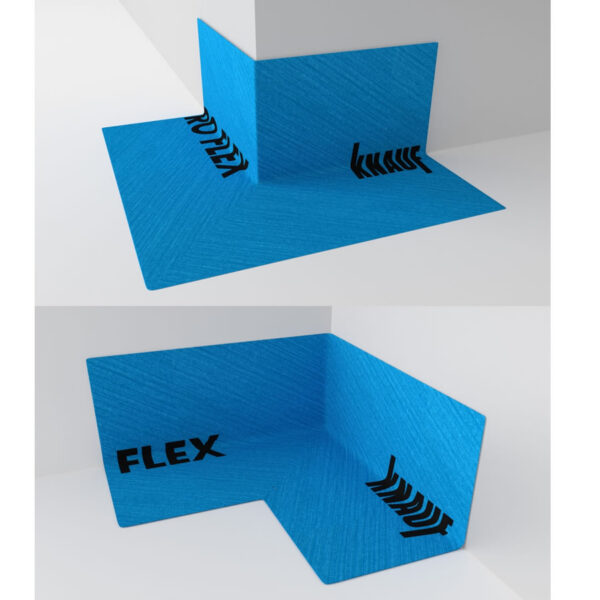
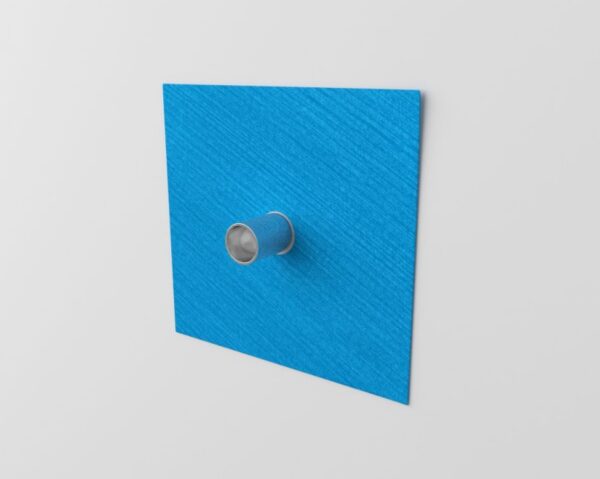
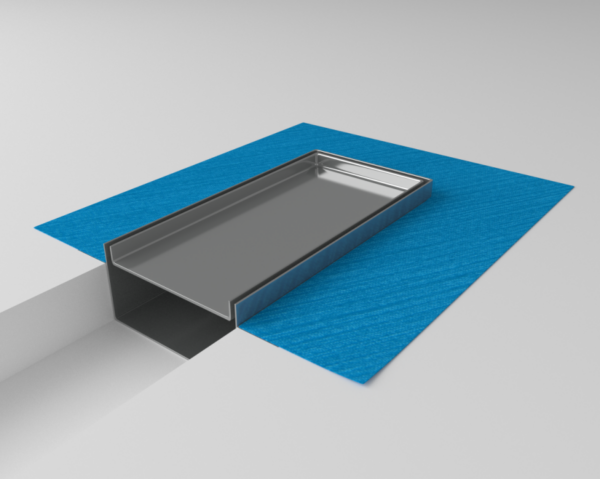
No surface is completely impervious to water penetration. This problem is particularly significant in rooms with high humidity, such as the bathroom. Sealing with grout does not guarantee complete watertightness, and there is always a risk of water seeping through. If water gets underneath the tiles, this will lead to serious problems – a flooded ceiling in the neighbour’s flat or the appearance of mould and mildew in the room.
Waterproofing of foundations
It is not only the building’s façade that requires waterproofing, but also its foundations. It is the foundations that protect the walls themselves from damp. If the foundations are not properly waterproofed, water or damp will be able to penetrate the walls. This will consequently lead to damp walls and the appearance of mould.