






Blog
How do you choose the right primer for the type of surface?

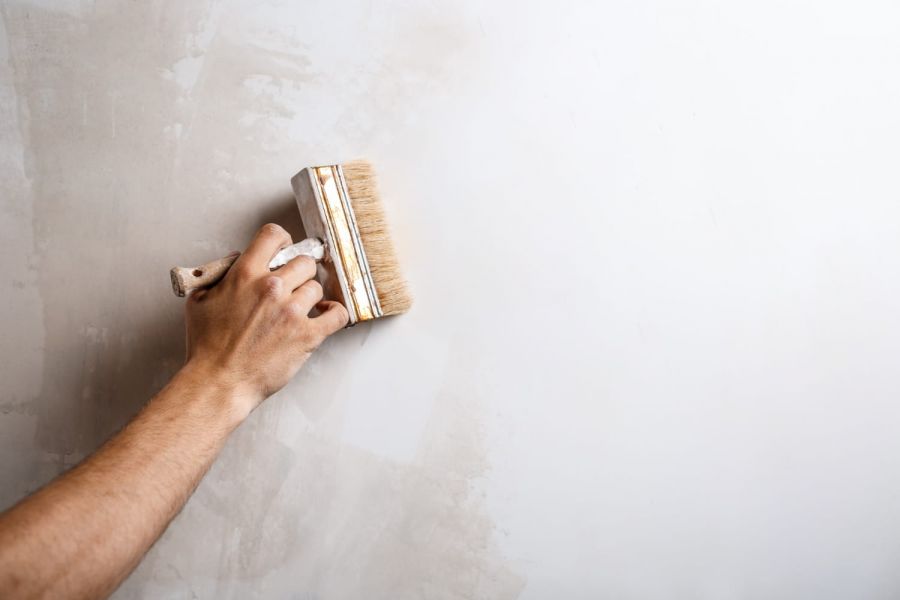
Proper preparation of the substrate is the foundation of all finishing work. It is this stage that has the greatest impact on the durability of the future walls and ceilings, whilst ensuring an aesthetically pleasing finish. The priming process, which is often overlooked, serves not only to bind loose dust particles, but above all to even out the surface’s absorbency and improve the adhesion of subsequent layers. Choosing the right product should not be left to chance, as a different product will be required for machine-applied gypsum plaster than for use as a primer before decorative painting. Not sure how to choose the right primer for your type of substrate? This post is for you!
Substrate type and choice of soil
Correctly identifying the material from which the walls were constructed is the first and most important step in preparing for the finishing works. This is because every mineral surface has a different structure, density and degree of porosity, which directly affects the behaviour of the mortars applied. Understanding these differences helps to avoid the most serious technical errors, such as material delamination or the formation of shrinkage cracks. A professional wall primer must be selected to neutralise the negative characteristics of the substrate, whilst simultaneously enhancing its load-bearing properties. In the construction industry, we most commonly encounter a distinction between surfaces with high water absorption and those with extremely low absorbency and high smoothness. Only after thoroughly determining the specific challenge at hand can we decide whether we need a classic concentrated primer or a product that enhances mechanical adhesion. Matching the right construction chemicals to the mineral substrate is the only way to achieve a durable and aesthetically pleasing result! Discover now the types of substrates most commonly found in the construction industry.
Absorbent and porous substrates
Materials such as aerated concrete or traditional brick are characterised by very high water absorption, which creates the risk of water being rapidly drawn out of the plaster. This phenomenon, commonly known as „mortar burning”, prevents the gypsum from setting properly and leads to a drastic weakening of the render’s structure. In such conditions, it is essential to use a product that will effectively limit and even out the absorbency across the entire surface of the wall.
Smooth, non-absorbent surfaces
Walls and ceilings made of concrete cast in smooth formwork present a completely different challenge due to their almost complete impermeability. On such surfaces, gypsum plasters are unable to anchor themselves in the structure, which risks them flaking off under their own weight. The solution is to create a so-called bonding bridge, which will give the smooth surface the necessary roughness for mechanical bonding.
Difficult substrates and old cladding
Interior renovation often involves working on substrates which, at first glance, appear unsuitable for direct plastering. An example of this would be stable but smooth surfaces on which we plan to apply a primer for ceramic tiles before laying a new layer of adhesive or plaster. In such situations, it is important to degrease the substrate and create a layer that chemically bonds the new mortar to the old, non-absorbent covering. The use of specialised chemical products allows us to avoid the laborious task of chipping away old layers, provided they demonstrate adequate load-bearing capacity and stability. Proper preparation of such surfaces requires precision and the use of products with very high bonding strength, resistant to varying stresses. Stabilising a „difficult” substrate is a multi-stage process, which begins with thorough dust removal and ends with the creation of a new bonding structure.
Why is it important to identify the substrate?
The choice between products designed for different purposes therefore depends on the specific problem we face on site. An understanding of the characteristics of wall materials enables us to make informed choices regarding professional solutions that eliminate construction risks. Each of the types of substrate mentioned requires a different approach to ultimately provide a solid foundation for the subsequent stages of work. Properly assessing the foundation for finishing works is half the battle in the quest for perfect walls. Below, we’ll take a closer look at the most popular solutions that have revolutionised substrate preparation.
Soil for well-drained substrates. Which one should you choose?
In this case, it’s best to opt for a compacted sub-base Knauf Primer 90 – is a technologically advanced product designed to level substrates with extremely high water absorption, such as aerated concrete or brick. Thanks to its high concentration, it significantly reduces material costs, as it can be diluted with water in a ratio of up to 1:5. Its main function is to penetrate deep into the mineral structure, which strengthens the surface and binds loose dust particles, ensuring an excellent base for subsequent layers. The use of this product is essential to prevent water from being drawn out of the gypsum plaster too quickly, which could lead to so-called „burning” and weaken the render. By equalising absorbency, the primer applied before the finishing coat or plaster ensures the material dries evenly, which is essential for achieving a perfectly smooth and durable surface.
However, effectively levelling out the absorbency of the wall is only half the battle when it comes to preparing rooms for finishing. In many modern buildings, as well as absorbent walls, builders are faced with smooth concrete surfaces, which require a completely different technical approach.
What should you bear in mind when choosing a primer?
- Choose the type of product to suit the absorbency of the substrate. Porous and sandy surfaces require products that penetrate deeply, whilst smooth concrete surfaces require bonding agents containing quartz sand.
- Use system-based solutions. Always check the manufacturer’s instructions for the plaster or paint. Using compatible products (e.g. Knauf chemicals with Knauf plasters) ensures the best adhesion and durability.
- Choose the dilution ratio carefully. Concentrates (concentrated primer) should be diluted with water in accordance with the instructions, adjusting the proportions to suit the current condition of the wall. A primer that is diluted too much will not strengthen the substrate.
What type of substrate is suitable for concrete walls?
In the case of surfaces with extremely low water absorption, such as reinforced concrete ceilings or smooth formwork concrete, a standard deep-penetrating primer will not be effective. In such cases, it is essential to use a product designed to create a so-called bonding bridge between the non-absorbent substrate and the gypsum plaster. Such a product is Knauf Betokontakt – contains pure quartz sand, which, once dry, gives the surface a distinct, rough texture that facilitates mechanical bonding. As a result, heavy plaster coats gain a secure anchorage, which is crucial for safety, particularly when working on ceilings. Furthermore, this product is highly resistant to the alkaline environment of concrete, protecting the applied layers of plaster from harmful chemical reactions.
Whilst preparing walls for machine-applied plaster is an extremely important process, it is equally important to properly protect the substrate during the final stages of decoration. It is therefore worth taking a look at the most common questions regarding priming for painting, tiling and skim-coating, which most frequently concern contractors and clients.
Choosing soil for the sub-base. Find answers to the most frequently asked questions
Which primer should you choose before painting to avoid streaks?
The best solution is to use products that regulate absorbency, such as Knauf Primer and Paint. It helps to even out the texture of the substrate and mask the colour of the old wall, ensuring that the topcoat provides perfect coverage after just one coat.
What is the safest type of subfloor for bathroom tiles?
When laying ceramic tiles, it is essential to create a rough bonding surface, particularly when working on smooth concrete or plasterboard. In areas exposed to moisture, the primer must not only improve the adhesive’s bond but also work in conjunction with the waterproofing to form a watertight protective system.
Should the floor be primed after or before filling – what is the correct order?
This is one of the most common questions: we always apply a primer before filling, to ensure the finishing coat adheres to the substrate, and after sanding the finishing coat, to bind the dust. Failing to apply a primer after sanding is the surest way to end up with the paint peeling off the wall in patches, clinging to loose plaster dust.
What type of primer should be used on gypsum plaster before applying the finishing coat?
For new gypsum plasters, standard deep-penetrating primers work best before applying the finishing coat, as they strengthen the plaster’s structure and prevent the filler from drying out too quickly. This makes the finishing coat easier to apply and extends the working time, which helps to achieve a perfectly smooth surface.
Is it possible to apply primer to ceramic tiles without grouting them?
Yes, modern construction chemicals allow for „tile-to-tile” renovation, provided that a specialised primer containing quartz sand is used. This creates an adhesive bond on the glazed, non-absorbent surface, to which a new layer of highly flexible adhesive will adhere without any problems.
Choosing the right primer is an investment that pays off in the form of durable, attractive and safe surfaces. Whether your aim is to stabilise porous aerated concrete or to create a bonding bridge on concrete, a thorough assessment of the substrate remains key. Remember that every stage of the work requires dedicated support – using system-based solutions eliminates the risk of the most common application errors, such as cracks, blistering or flaking paint coatings. By opting for professional construction chemicals, you can be confident that all the finishing layers will work together perfectly for decades to come!


