






Blog
How to choose adhesives for plasterboard? A guide for professionals

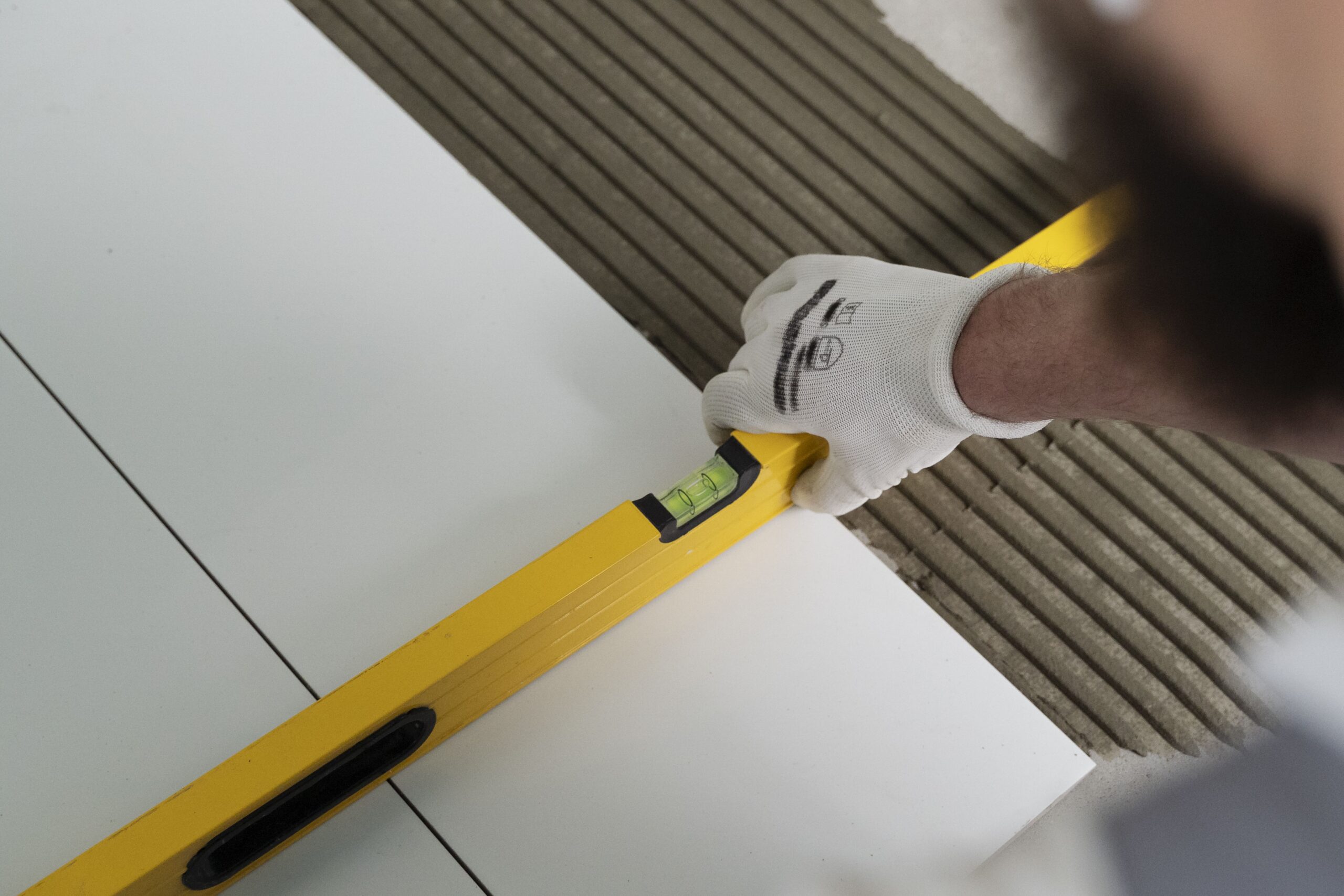
Choosing the right adhesive is crucial when installing plasterboard. It is the choice of the correct adhesive that determines both the durability of the structure and the speed and ease of the work. Experts emphasise that adhesives for plasterboard must be suited to the substrate, the conditions in the room and the type of board – for example, materials used in areas with high humidity have specific requirements. In this guide, we discuss which plasterboard adhesive to choose, what to look out for, and how to combine them with jointing compounds to achieve a professional finish. Read on!
Adhesives for plasterboard – basic types
As we mentioned, the choice of adhesive is of paramount importance when it comes to the durability and quality of the installation. There are several types of adhesive on the market designed for plasterboard, but which one is the best? Here are our recommendations.
- Gypsum adhesives – the most popular method for fixing panels to walls. They offer good adhesion, are easy to prepare and quick to apply. An example is Knauf Perlfix-T, ideal for standard building substrates.
- Polyurethane and assembly adhesives – they are highly moisture-resistant and flexible. They are a good choice for more challenging conditions and unusual surfaces.
- Hybrid adhesives – they are ideal for situations where it is necessary to join different materials, such as plaster with metal or wood.
It is worth noting the application technique – some adhesives are applied in patches, whilst others are spread evenly using a notched trowel.
Which adhesive should you choose for plasterboard, depending on the substrate?
The choice of adhesive depends on the type of surface. For concrete or brick, traditional gypsum-based adhesives work well, whilst for cement-lime plasters it is advisable to opt for products with greater flexibility, which will compensate for minor unevenness in the substrate. If the substrate is challenging, such as OSB boards, an adhesive with higher adhesion is required, or the surface may need to be primed. The humidity of the room is also a significant factor. In kitchens, bathrooms or utility rooms, the best option is Knauf green plasterboard – Adhesive for this type of material must also be resistant to high levels of moisture. In this case, it is worth choosing a polyurethane or gypsum-based adhesive with a reinforced formula, designed for demanding conditions.
Joining plasterboard – what do you need to know?
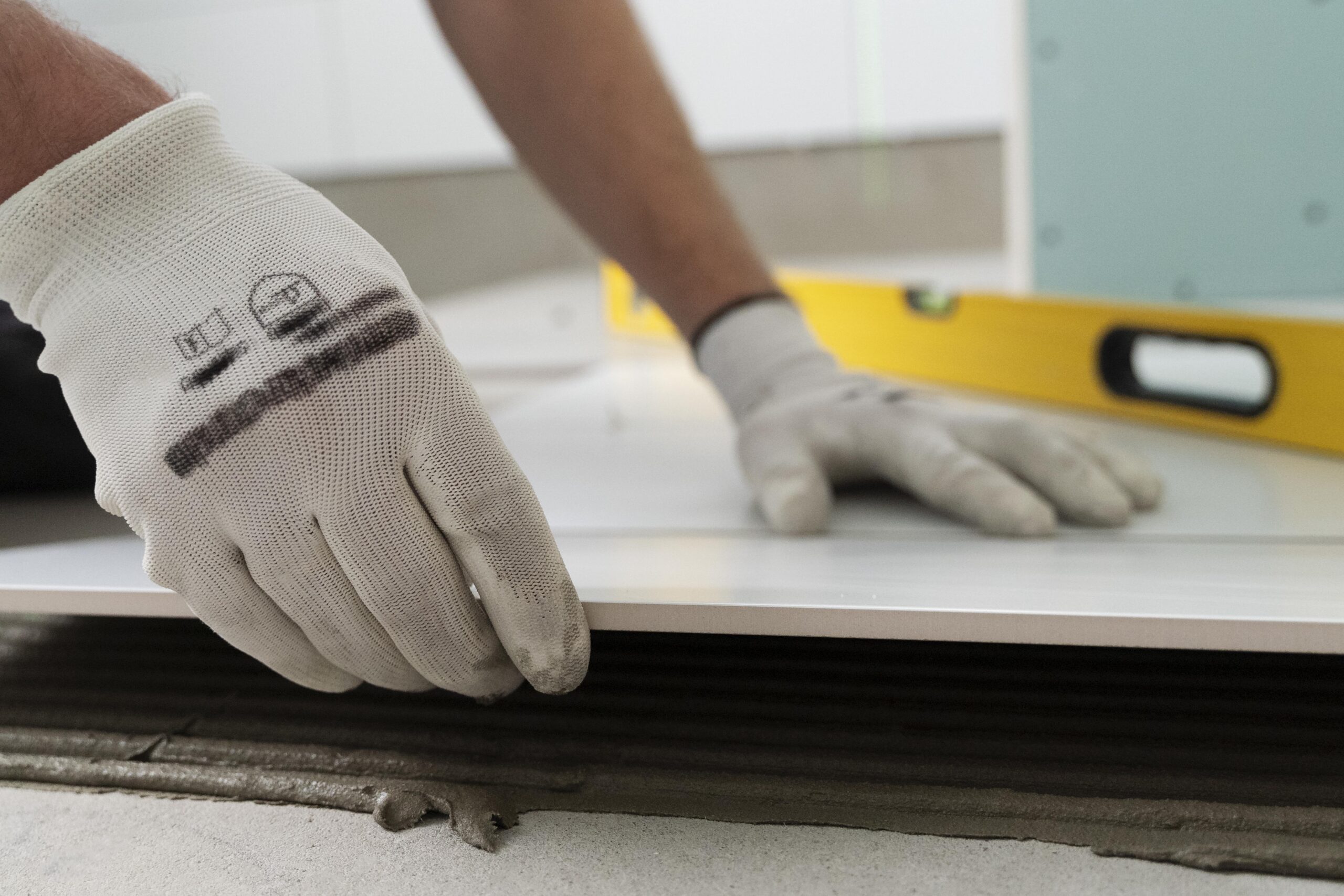
Plasterboard panels can be joined using adhesive or by fixing them to profiles. Gluing is quicker and takes up less space, but it requires precision and proper preparation of the substrate – it must be level, clean, dry and primed. In the case of significant unevenness, it will be necessary to level the surface or apply additional beads of adhesive of varying thicknesses. A well-chosen adhesive for plasterboard should provide strong adhesion from the very first press, which will make it easier to position the board vertically and horizontally. To ensure the durability of the structure, it is also important to apply the adhesive beads correctly – usually every 30–40 cm, with additional beads in the corners. After bonding the board, check its position using an aluminium straight edge and, if necessary, adjust its alignment by gently pressing down on the surface. Adhesive bonding of the panels is particularly recommended in rooms with limited space, where a framework might take up valuable centimetres.
Please note! Mistakes are often made when gluing plasterboard – these include using too little adhesive or skipping the priming stage. Experts also advise using products from a single range, such as those from Knauf, to avoid compatibility issues.
Plasterboard joint compound and adhesives
People often confuse the functions of adhesive and joint compound. Adhesive is used to fix the board to the substrate, whilst joint compound is used to fill and level the joints. So, in this context, which adhesive is best for plasterboard? One that allows the board to be laid evenly, whilst also being compatible with joint compound from the same manufacturer. Using complete systems, such as those from Knauf mentioned earlier, guarantees consistent performance and a high-quality finish.
Price and labour economics
When planning a renovation or finishing work, the cost aspect cannot be overlooked. The price of joint filler for plasterboard depends on the type (gypsum-based, polymer-based) and its coverage. For adhesives, consumption averages 5 kg per 1 m² when bonding standard boards. Premium products may be more expensive to buy, but thanks to their high coverage and ease of application, they reduce working time, which in practice translates into real savings.
When choosing adhesives for plasterboard, take into account all the factors we have outlined in this post – the type of substrate, environmental conditions, as well as the type of board used. Choosing the right product will not only affect the durability of the installation, but also the ease of work and the aesthetics of the final finish. Remember that using integrated solutions from a single manufacturer, such as Knauf adhesives and compounds, minimises the risk of adhesion problems and allows for faster installation of plasterboards without compromising on quality. For those wondering which adhesive to choose for plasterboard, the safest option is to purchase an adhesive designed for a specific application – different specifications are required for installation on concrete, and different ones for damp areas.
If you want to be sure that the products you choose will meet your expectations in all conditions, take a look at what our shop has to offer! At PK Complex, you’ll find both adhesives for plasterboard and specialised installation accessories to help you create professional structures and finishes. Choose solutions that have proven their worth in the day-to-day work of professionals!


