






Blog
What is worth knowing about soundproofing rooms?


In today’s rapidly developing towns and villages, noise has become an integral part of life. It is therefore no surprise that we are paying ever greater attention to acoustic comfort indoors. The sound-absorbing properties of panels and wool play a key role in creating such interiors. In the article below, we’ll outline the most important features of these materials and advise you on what to look out for when designing a soundproofed space. We hope you enjoy reading it.
What exactly is soundproofing?
The soundproofing of a room determines its ability to effectively dampen and block the transmission of both external and internal sounds, thereby ensuring quiet both inside and outside the room. This is particularly important in places where noise may disrupt concentration, rest or work, for example in recording studios, conference rooms or office spaces. Soundproofed interiors are also found in public buildings, theatres, cinemas and schools, where appropriate acoustic conditions influence both comfort and the effective use of the rooms. Sound insulation is measured using the sound insulation index, expressed in decibels (dB), which indicates sound intensity. The higher this value, the better the sound insulation of walls, ceilings and floors, which translates into more effective noise reduction. The Polish standard PN-B-02151-3:2015-10 specifies the minimum values that must be maintained in specific buildings and rooms.
Building materials for sound insulation
Sound insulation requires the use of specialist components that effectively block and absorb sound. Key elements in this process are, of course, doors, floors and windows, which have their own dB ratings (or Rw=xdB). However, the most important factor is the use of suitable building materials, such as acoustic panels or sound-absorbing wool. These form the basis for effective insulation of walls, ceilings and roofs. Together, all these elements create a comprehensive soundproofing system.
Acoustic panels
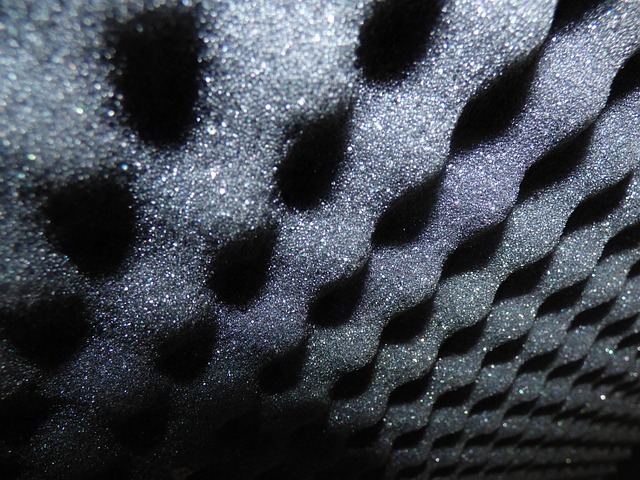
Acoustic panels are specialised materials characterised by exceptional insulating and sound-absorbing properties. They come in various forms, including perforated panels and plasterboard. The latter are designed to effectively block the transmission of sound, making them the ideal choice for creating acoustic barriers in walls and ceilings. Perforated panels, on the other hand, feature numerous holes that absorb sound, improving the acoustics in a room whilst also reducing echoes.
As well as their ability to significantly reduce noise transmission, acoustic panels often also offer improved fire-resistant properties. Furthermore, they are more resistant to moisture, which increases their durability and versatility. So, whether you’re building a new room or refurbishing an older one, it’s definitely worth choosing soundproofing panels.
Acoustic insulation made from mineral wool
Acoustic insulation made from mineral wool This is one of the most effective methods of reducing sound transmission in buildings. Made from mineral fibres, it offers excellent sound-absorbing properties – thanks to its structure sound-absorbing wool It effectively absorbs and disperses sound waves. It is usually rigid, which makes it easy to install in various types of structures – from partition walls to floors and roofs.
Acoustic glass wool, which is a type of mineral wool, is also notable for its low weight. It is often chosen for insulating lightweight floors, as it does not place a significant load on the building’s structure. Furthermore, it has excellent thermal insulation properties.
The second type of mineral wool is rock wool, which is produced from rock-based raw materials. It is characterised by exceptional mechanical strength, which means it retains its insulating properties for many years, without losing its effectiveness even in harsh conditions. It is often used to insulate roofs and ceilings.
How do you soundproof a room?
Effective soundproofing of a room requires careful planning, and the process itself involves a variety of techniques and materials which, together, create a barrier against unwanted noise. You can undertake this task yourself, but it is always better to use the services of specialists.
The first and most important step is an acoustic analysis of the room. This involves identifying the main sources of noise and the areas where it will be most disruptive. This allows us to focus on what matters most. Based on the analysis, we select the appropriate building materials – it is worth ensuring that they are compatible with one another. It is a good idea to use special mineral wool mats (panels), as mentioned earlier, in the walls, under the floor and on the ceiling. Combined with acoustic panels, they will effectively soundproof the room. Particular care must be taken to ensure the insulation is fitted correctly. Any shortcomings and/or incorrect installation will significantly reduce the level of sound absorption.
Sealing the room
Windows and doors are the two main elements of a room through which external noise enters. Unfortunately, simply closing them is not always enough to ensure acoustic comfort. A better level of sound insulation can be achieved with models that have a higher insulation rating. For both windows and doors, it is best to choose those with a rating of more than 30 dB.

Soundproofing a room through interior design
A room’s décor affects not only its aesthetics but also its acoustics. When chosen well, it can significantly improve sound absorption and reduce reverberation, helping to create a quieter and more peaceful atmosphere. Soft materials, such as carpets, curtains or sound-absorbing wallpaper, add character to a room whilst also reducing sound reflection from hard surfaces. Even the careful arrangement of furniture and accessories can help to reduce noise levels.
Why is it worth soundproofing living spaces?
It is not without reason that we mainly associate soundproofing with public or commercial spaces. However, more and more people are also using it in their own houses and flats. This may be due to increased traffic, frequent building works or a noisy neighbourhood (e.g. the city centre), and sometimes even just noisy neighbours.
Your home is a place for relaxation and rest, and acoustic comfort has a significant impact on this. Silence also provides the ideal conditions for concentration, meditation, learning and working from home. Another reason to soundproof a room is to improve sound quality. This will make watching films or listening to music much more enjoyable.
The soundproofing of rooms plays an increasingly important role in the construction, design, selection and furnishing of a given space. It is important not only for those inside the room, but also for those in the surrounding area. If cinemas or concert halls were not soundproofed, the noise level outside the buildings would certainly exceed the permitted limit. This also applies to blocks of flats – neither our neighbours nor we want to hear what everyone else is doing. If our room is not soundproofed, we can carry out renovation work using new insulating materials, such as acoustic wool or soundproofing panels. If the budget does not allow for this, we can add soft furnishings and rearrange the furniture in the room. Even small changes can improve acoustic comfort.


