






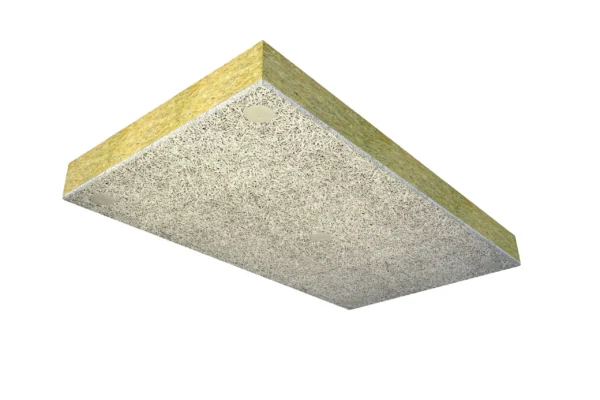
Heraklith Tektalan A2
123,00 zł – 738,00 złPrice range: 123,00 zł through 738,00 zł
SUPAFIL LOFT 045 blown-in wool
9,84 zł
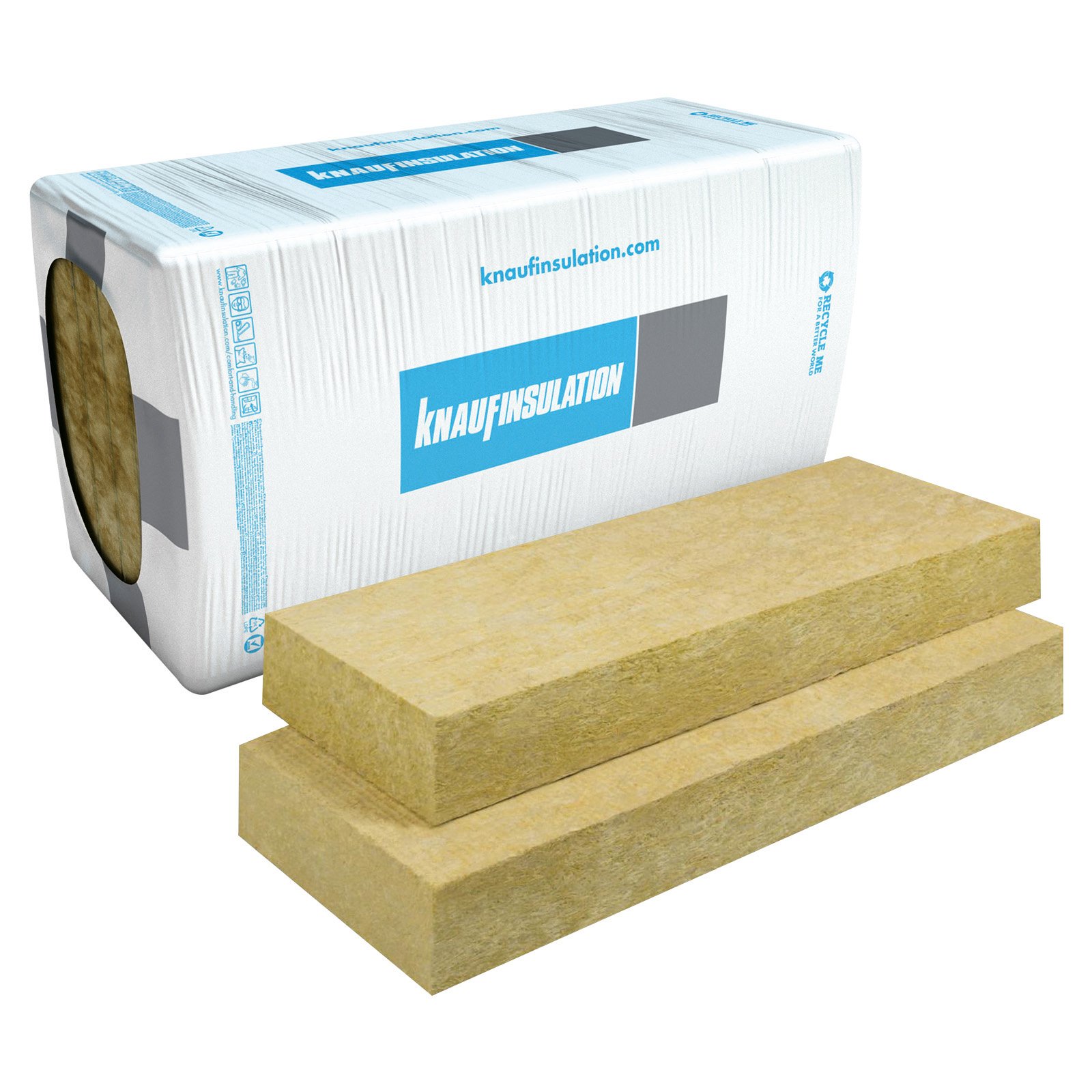
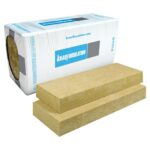

FKD N Thermal λ34
26,45 zł – 126,94 złPrice range: 26,45 zł through 126,94 zł
Lead time – 3 months!
15
People watching this product now!

Fast delivery
Within Poland

Safety
Careful packaging

Customer support
Contact via chat

Top quality
A trusted brand
| Thickness [cm] |
5 cm ,6 cm ,8 cm ,10 cm ,12 cm ,14 cm ,15 cm ,16 cm ,18 cm ,20 cm ,22 cm ,24 cm |
|---|---|
| Lambda |
34 |
| Intended use |
Facades |
Product description
Knauf FKD N Thermal – mineral wool for external walls, for ETICS thermal insulation systems
Knauf Insulation | Stone mineral wool board with a randomised fibre arrangement
Fire class A1
ETICS system
λ = 0.034 W/mK
Water-repellent
Disordered fibre arrangement
CE certificate
ETICS system
λ = 0.034 W/mK
Water-repellent
Disordered fibre arrangement
CE certificate
Knauf FKD N Thermal This is a rigid stone mineral wool board designed for the thermal and acoustic insulation of external walls in external thermal insulation composite systems (ETICS). Thanks to its unique, randomly arranged fibre structure, it provides excellent insulation against external noise, whilst its water-repellent treatment throughout the entire cross-section protects the insulation from moisture throughout the building’s service life. Fire rating A1 and the thermal conductivity coefficient λ = 0.034 W/mK make FKD N Thermal the ideal choice for both new façades and the thermal refurbishment of existing buildings – residential, commercial and public-sector.
Knauf FKD N Thermal in figures
A1
Fire resistance class – the highest possible for façade insulation
0,034
λD W/mK – high thermal insulation performance in a thin layer
100%
Water-repellent treatment across the entire cross-section of the slab
ETICS
Designed for seamless external thermal insulation systems
Why do contractors and designers choose FKD N Thermal?
- Fire class A1 – meets the highest fire safety requirements for the façades of public buildings and high-rise buildings
- A disordered fibre arrangement – better sound insulation and higher tensile strength
- Water-repellent treatment throughout the entire cross-section – water does not penetrate the core, and the insulation properties remain stable for years
- λ = 0.034 W/mK – high thermal insulation whilst maintaining an optimal wall thickness
- Full vapour permeability – the walls breathe, so there is no risk of mould or mildew
- Dimensional stability – does not warp under the influence of temperature or moisture
- Suitable for all types of external walls – brick, monolithic and prefabricated
- Components of the Knauf Thermo W system – adhesives, mesh, plasters and façade paints, all in one system
- Approved for use in accordance with the European ETAG 004 guidelines
- Easy to work with and cut – simple to apply without the need for specialist tools
Class A1 – why does it matter when choosing façade insulation?
Building regulations and guidelines issued by fire safety experts require the use of non-combustible materials on the façades of high-rise buildings (WB), high-rise buildings (WW) and public buildings – schools, hospitals, office blocks and shopping centres. Knauf FKD N Thermal, class A1 It meets these requirements directly, which simplifies the design process and eliminates the risk of objections at the building handover stage. Designers include it in the documentation wherever the fire safety expert has the final say.
Where is Knauf FKD N Thermal facade insulation used?
🏠
Detached houses
Insulating the façades of new homes and carrying out thermal refurbishment on older ones – warm, quiet and safe
🏢
Multi-family and high-rise buildings
Insulation of the façades of blocks of flats and apartment blocks – Class A1 meets the fire safety requirements for WB and WW buildings
🏫
Public facilities
Schools, nurseries, hospitals – A1 fire resistance required by regulations and fire safety experts.
🏗️
Thermal modernisation
Insulating existing façades – improving energy efficiency without compromising on fire safety.
🏛️
Historic buildings
High vapour permeability – old walls can ‘breathe’, with no risk of damp or damage to the building fabric
🏭
Commercial and industrial premises
Office buildings, logistics centres, retail premises – comprehensive thermal and acoustic insulation, and fire protection.
Installation of FKD N Thermal façade insulation – step by step
FKD N Thermal boards are installed using the adhesive and dowel method in accordance with the requirements of the ETICS system. The boards’ ease of handling and stability make the work easier for installation teams – even on difficult substrates and where there are complex architectural details.
1
Preparing the substrate
The substrate must be clean, dry and load-bearing. Check that the wall is level – correct any unevenness before applying the adhesive
2
Bonding boards
Apply the adhesive to at least 40% of the board’s surface using the perimeter-and-spot method (edge + discs). Use Knauf system adhesive
3
Mechanical anchoring
At least 24 hours after application – fix in place using façade fixings as per the design (at least 6–8 per m²)
4
Reinforced layer and plaster
Reinforced adhesive + fibreglass mesh, followed by a primer and mineral, silicate or silicone plaster
Important: Acrylic plasters must not be used on mineral wool. Recommended Knauf system plasters: mineral, silicate (KATI), silicone (CONNI) or siloxane (OXXI). Despite the water-repellent treatment, it is recommended that the façade be finished promptly after the boards have been installed – to protect against prolonged exposure to standing water.
Technical specifications – Knauf FKD N Thermal façade insulation
| Parameter | Value | What does this mean in practice? |
|---|---|---|
| Fire resistance class | A1 | The highest fire resistance class – required for many public buildings and high-rise buildings |
| Thermal conductivity coefficient λD | 0.034 W/mK | High thermal insulation – a thinner layer whilst maintaining the same thermal properties |
| Fibre arrangement | Distorted (multidirectional) | Better sound insulation and higher tensile strength perpendicular to the surface |
| Water-repellent treatment | Across the board | Long-lasting resistance to moisture – the insulation properties do not deteriorate over time |
| Vapour permeability | High | The walls breathe – no risk of mould, a healthy indoor microclimate |
| Dimensional stability | High | The board does not warp when exposed to temperature or moisture |
| System | ETICS (light wet method) | Approved in accordance with ETAG 004 for all types of external walls |
Available thicknesses – FKD N Thermal façade insulation
| Thickness (mm) | Panel dimensions (mm) | Thermal resistance RD (m²K/W) |
|---|---|---|
| 50 | 600 × 1000 | 1,45 |
| 60 | 600 × 1000 | 1,75 |
| 80 | 600 × 1000 | 2,35 |
| 100 | 600 × 1000 | 2,90 |
| 120 | 600 × 1000 | 3,50 |
| 150 | 600 × 1000 | 4,40 |
| 180 | 600 × 1000 | 5,25 |
| 200 | 600 × 1000 | 5,85 |
Thermal resistances calculated for λD = 0.034 W/mK. Exact values as per the manufacturer’s technical data sheet.
Knauf FKD N Thermal This is mineral wool insulation for façades, designed for demanding projects. Fire class A1, a disrupted fibre structure for improved acoustics, water-repellent treatment throughout the cross-section and λ = 0.034 W/mK – all in a single board, within the tried-and-tested Knauf Thermo W ETICS thermal insulation system. Chosen by designers and contractors wherever durability, safety and full compliance with fire safety requirements are paramount.
Frequently Asked Questions – Knauf FKD N Thermal
What does „disrupted fibre structure” mean in the FKD N Thermal board?
In standard mineral wool boards, the fibres are arranged horizontally. In FKD N Thermal, the fibres are arranged in a multi-directional (randomised) pattern, which increases the board’s tensile strength perpendicular to the surface and improves its sound-absorbing properties. As a result, the board is more resistant to loads during the installation and operation of the ETICS system.
Does FKD N Thermal meet the fire safety requirements for high-rise and public-use buildings?
Yes. Fire resistance class A1 indicates complete non-combustibility and compliance with the most stringent fire safety requirements for the façades of high-rise (WB) and super-high-rise (WW) buildings, as well as public buildings – schools, hospitals, office blocks and shopping centres, in accordance with Polish building regulations and the regulation on technical requirements.
Is FKD N Thermal suitable for the thermal refurbishment of old buildings?
Yes – this is one of the product’s main applications. The high vapour permeability of mineral wool means that FKD N Thermal is particularly recommended for insulating older buildings with poor ventilation and historic buildings, where the walls must be able to breathe. This eliminates the risk of mould and damp developing inside the wall cavity.
What types of plaster can be used on FKD N Thermal insulation?
On mineral wool Acrylic plasters must not be used. Plasters with high vapour permeability are recommended: mineral, silicate (Knauf KATI), silicone (Knauf CONNI) or siloxane (Knauf OXXI). Plasters from the Knauf Thermo W system are fully compatible with FKD N Thermal and guarantee the durability of the entire façade system.
Can FKD N Thermal be used on all types of external walls?
Yes. FKD N Thermal boards can be used on all types of external walls – masonry, monolithic and prefabricated. The product is approved for use in external thermal insulation systems in accordance with the European ETAG 004 guidelines.


