






Blog
Choosing the right tile comb – what should you look out for?

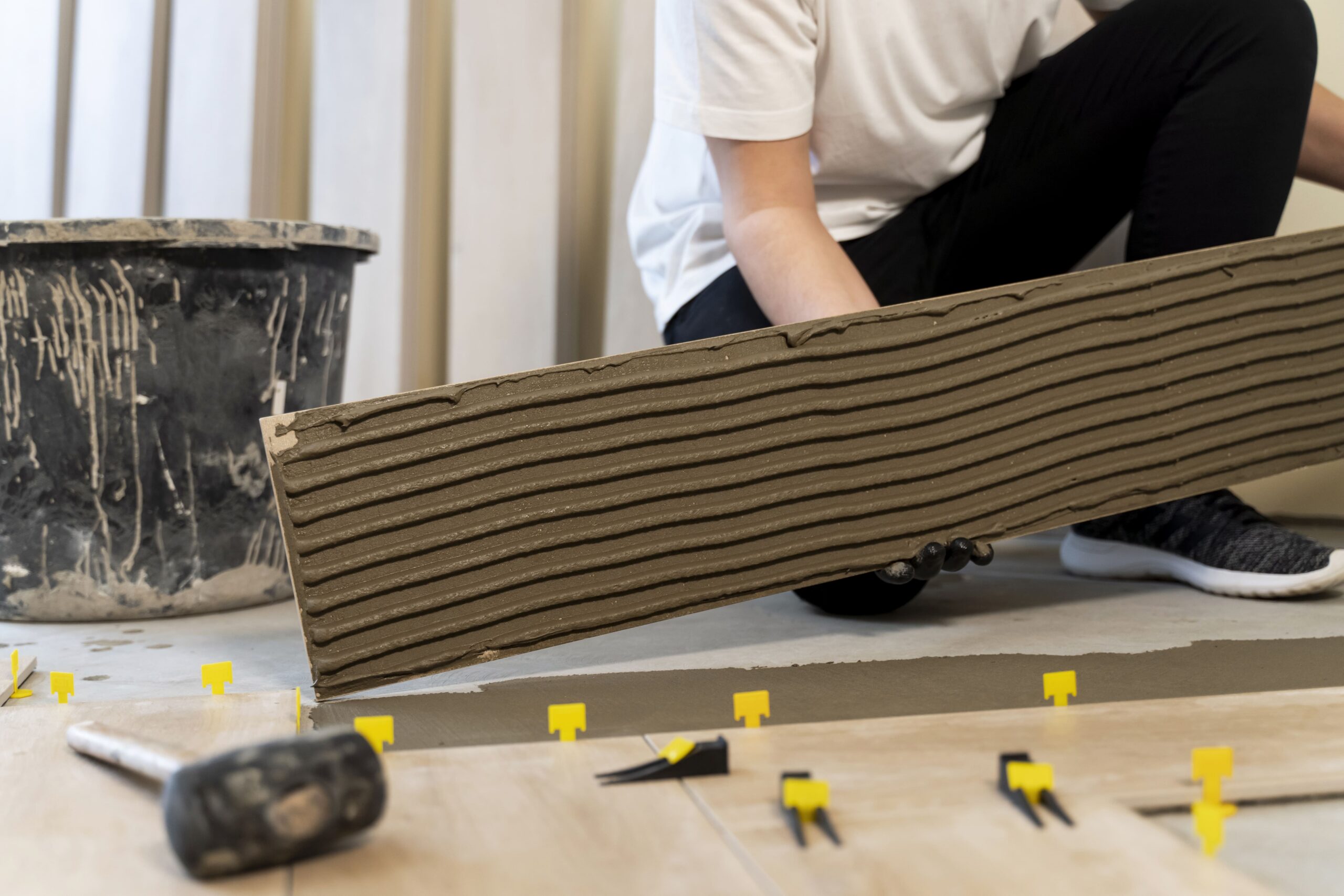
 Having the right tool is essential for high-quality tiling work. Here, it is best to use a notched trowel – this allows the adhesive to be spread evenly, ensuring the tiles adhere perfectly to the substrate. The shape and size of the teeth are also important factors, as they affect material consumption and the durability of the bond. An incorrectly chosen notched trowel can result in uneven tile laying or a lack of full contact with the adhesive surface, which means that only a well-suited tool will enable more efficient work, precise alignment and minimises the risk of air pockets. In this guide, we explain how to choose a tile notched trowel and what to look out for to ensure a durable and aesthetically pleasing result. If you’re planning a renovation or tiling project, be sure to read on – this knowledge will save you time!
How do you choose a tile comb?
The choice of notched trowel is not random and depends on several factors. Firstly, the size and thickness of the tiles are important – the larger the tiles, the higher the notches required. Secondly, the type and consistency of the adhesive must be taken into account, particularly when you are using flexible tile adhesive, which requires even distribution. The third factor is the type of substrate – smooth surfaces require different tools to rough walls. It is worth bearing in mind that a comb with teeth that are too small will not ensure full contact between the tiles and the adhesive. Conversely, teeth that are too large may lead to excessive material wastage. Choosing the right tool also affects the pace of work – the correct size makes application easier and reduces the need for corrections. It is generally accepted that 4–6 mm teeth are used for standard wall tiles, and 8–10 mm for floor tiles. For larger formats, it is necessary to use a notched trowel with even taller notches to ensure the joints are completely filled.
The quality of tools – the key to efficient and precise work
There’s no denying that high-quality products have a direct impact on comfort and efficiency at work. Tools made from durable materials, including stainless steel, ensure not only a long service life but also precise and even distribution of adhesive. The robust construction of the comb prevents the teeth from warping, which can lead to uneven application of the adhesive and problems with tile installation. The well-contoured handle improves ergonomic comfort, reducing fatigue even during prolonged use. By investing in professional tools, you are therefore guaranteed a high-quality finish and can reduce the time taken to complete tasks.
The properties of a tile notcher – how do they affect the quality of tile bonding?
A tile notched trowel should have teeth of a suitable size and shape, tailored to the type and dimensions of the tiles and the type of adhesive. This is because the tool’s teeth determine the thickness and evenness of the adhesive layer, thereby affecting the durability and stability of the entire surface. It is important that the adhesive is applied without air pockets, which can cause the tiles to come loose or crack. Different tine shapes, such as square, trapezoidal or semi-circular, allow the tool to be precisely selected for specific installation conditions. Furthermore, the properties of the material from which the comb is made affect how easy it is to clean and maintain – and this translates into the quality and convenience of the work.
Which tile comb should you choose in practice?
You already know that the type of trowel should be suited to both the size of the tiles and the type of adhesive. The shape of the tines affects the amount of material applied and makes it easier to spread it in even strips. What options are available to you?
- Square teeth – most commonly used when laying ceramic and stoneware tiles. They ensure the adhesive is spread evenly.
- Semi-circular teeth – ideal for irregularly shaped tiles, as they make it easier to fill the gaps evenly.
- Trapezoidal teeth – designed for large-format tiles, they provide a greater amount of adhesive and better adhesion.
When should you use larger teeth, and when should you use smaller ones?
Larger notches are recommended when laying large, heavy tiles, as this allows for a thicker layer of adhesive, which will provide even support across the surface. In this case, we recommend tile filler 8 mm – with the correct tooth spacing. Smaller ones, on the other hand, are ideal for thin tiles, mosaics or walls, where precision and economy of adhesive are important.
Attaching the comb using a suitable flexible tile adhesive
The choice of trowel is inextricably linked to the type of adhesive. The flexible tile adhesive mentioned earlier requires a tool that allows for the precise application of a thin or medium-thick layer, without air pockets. Square or trapezium-shaped teeth work best with flexible adhesives, making it easier to position the tiles during installation.
Practical advice for professionals
To ensure that the work is carried out quickly and accurately, it is worth following a few guidelines.
- Choose a comb that is the right size for the tile format.
- Always check that the adhesive covers at least 80% of the tile’s surface once it has been pressed down.
- Use a tile spatula with an ergonomic handle, which makes the job more comfortable.
- Clean the teeth of the comb regularly to prevent the adhesive from spreading unevenly.
- Test different angles of inclination for the comb-type applicators – the correct setting affects the thickness of the adhesive layer.
Choosing the right tile notcher is one of the factors that determines the quality and durability of the tiled surface. Regardless of your experience, it is worth paying particular attention to the tool’s specifications, such as the size and shape of the teeth – these should be suited to the type of tiles and the specific characteristics of the adhesive. A good notched trowel will not only help you spread the adhesive evenly, but will also minimise the risk of air pockets forming, which could lead to damage in the future. Investing in tried-and-tested, durable products is always worthwhile and saves you time and materials – remember that a properly selected trowel is the foundation of a professional finish on any tiled surface.


