






Blog
Rock wool or glass wool – which to choose? Differences and similarities

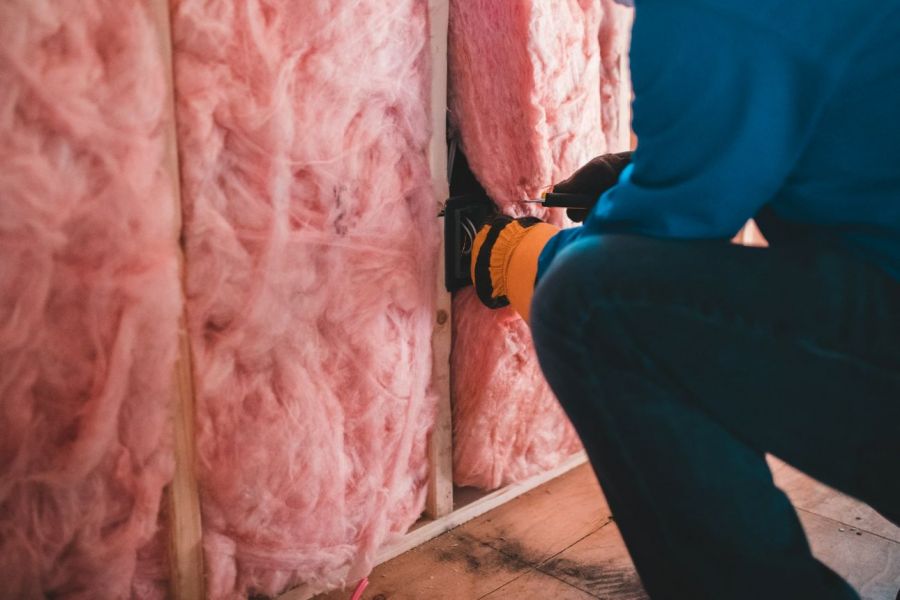
Proper insulation of a building is of paramount importance, both in terms of living comfort within the property and savings on heating, and in some cases also on air conditioning. There is no denying that these aspects have become increasingly important recently – ever-rising heating bills are prompting everyone to invest in solutions that help reduce heat loss. Sound insulation has also become important, particularly in semi-detached houses, though not exclusively. All these issues boil down to one thing: the need to use optimal insulation solutions. There are many options available on the market, and one of the most popular choices is mineral wool: either rock wool or glass wool. In this post, we’ll look at the similarities and differences between these two insulation materials, discuss their properties and applications, and suggest specific uses depending on your needs. With our help, you’ll find out which type of wool will work best in your home or industrial building.
What is mineral wool?
Mineral wool is a popular insulating material used to insulate buildings and improve sound insulation. Its structure resembles fibrous wadding, which effectively retains heat and reduces noise, which is why it is so widely chosen in modern construction, as well as in older, refurbished buildings. What is mineral wool suitable for? It is used to insulate attics, walls, ceilings and other structural parts of a building, helping to maintain optimal conditions within it. Mineral wool is divided into two main types: rock wool and glass wool, which differ in terms of raw material composition and certain properties. The main difference between these two materials is that rock wool is significantly heavier and more resistant to high temperatures, whilst glass wool is more flexible and easier to install. However, the choice of the appropriate type depends on the specific characteristics of the building, as well as the conditions of use.
Rock wool versus glass wool – what’s the difference?
Although both materials have fairly similar insulating properties, they do differ in many respects. To help you distinguish between these two materials, we have put together a special comparison – taking into account the type and characteristics of both rock wool and glass wool.
| Type of mineral wool | Technical Specifications |
| Rock wool | It has a higher density, making it more resistant to compression and better at dampening noise, particularly impact noise. It is characterised by greater resistance to moisture and fire – it can withstand temperatures of up to 1,000°C, which means it is often used in fire protection and façade cladding. Due to its rigidity, it can be more difficult to install. |
| Glass wool | It is lighter and more resilient, which makes it much easier to install, particularly in complex structures such as lofts or partition walls. It is more effective at insulating against airborne sound, which is why it is often used in suspended ceilings and internal walls. Its maximum temperature resistance is lower than that of rock wool (up to 600–700 °C), and it may also require additional protection against moisture. |
Similarities between glass wool and rock wool – what do these two insulation materials have in common?
Thermal insulation
Both materials have excellent insulating properties. Both glass wool and rock wool effectively retain heat in winter and keep rooms cool in summer. As a result, these materials make a significant contribution to reducing heating and air-conditioning costs.
Fire resistance
Glass wool and rock wool are non-combustible materials, which means they enhance the safety of a building. Thanks to this property, both types of wool are widely used in construction where structures are exposed to high temperatures. It is worth noting that fire-resistant mineral wool is more effective than, for example, traditional polystyrene.
Environmental characteristics
Both materials are produced from natural raw materials (quartz sand, basalt) and may contain recycled materials. This makes them a more environmentally friendly alternative compared to other insulation materials.
Sound insulation
Both rock wool and glass wool also offer excellent sound insulation, effectively reducing both external and internal noise, which is why they are frequently used in residential and office buildings. If this is important to you, sound-absorbing mineral wool will be the best choice.
The choice between glass wool and rock wool depends on the specific requirements of your project. If you require better resistance to high temperatures or moisture, and if you wish to improve the building’s acoustic properties, rock wool will be the better option. On the other hand, glass wool is an excellent choice if you are looking for easier installation, flexibility and better thermal insulation performance in residential construction. The final decision should be based on technical and economic considerations, as well as the specific requirements of your project. The most important thing is to opt for tried-and-tested solutions, such as those we offer. Check out the mineral wool from the trusted manufacturer Knauf, available in our range.


